Read the invitation as a practical brief
Before choosing a spring occasion outfit, establish the event's dress code, location, and approximate schedule. An indoor afternoon celebration asks different things of your clothes from a garden ceremony followed by an evening reception. Check any stated color or cultural expectations with the host when necessary. The aim is to arrive appropriately dressed and comfortable enough to participate, not to solve an abstract question about the perfect occasion dress.
List the transitions: travel, standing outside, a seated meal, photographs, and the journey home. Note whether you will cross grass, climb stairs, or carry a coat for several hours. If the invitation leaves the dress code unclear, a versatile outfit with adjustable styling can be helpful. Existing tailored trousers or a skirt may provide a stronger starting point than buying a dress before understanding the day.
Choose a shape that behaves well while seated
Try the outfit sitting down, reaching forward, and walking at your normal pace. Check whether a wrap neckline stays where you want it and whether a slit opens more than you expect. Look at the waistband after several minutes in a chair. Occasion clothes often look excellent while standing still, but their suitability becomes clearer when you imitate the ordinary movements the event will involve.
Consider fabric opacity and lining in daylight. Lightweight spring fabrics may need specific underwear, and that requirement should be part of the purchase decision. If you prefer not to manage strap adjustments or specialist undergarments, choose a neckline and sleeve that work with what you already find comfortable. The garment should support your day rather than introduce a series of small corrections you will need to make throughout it.
Make the outer layer part of the outfit
Choose the jacket, cardigan, or coat while selecting the main outfit. Sleeve volume, shoulder shape, and hem length influence whether the combination feels comfortable. A fitted jacket may pull over a puff sleeve, while a long loose layer can obscure a carefully chosen waist. Try everything together and fasten the outer layer. It needs to work in the cooler parts of the day, not merely hang attractively over one arm.
A wrap can be useful when you mainly need an extra layer while seated, but it may demand more attention during travel or windy outdoor moments. A lightweight tailored jacket offers a different balance of structure and convenience. Choose the version that fits your schedule and personal preferences. Rewear potential improves when the outer layer also works with ordinary trousers or jeans after the event.
Decide the shoes before finalizing the hem
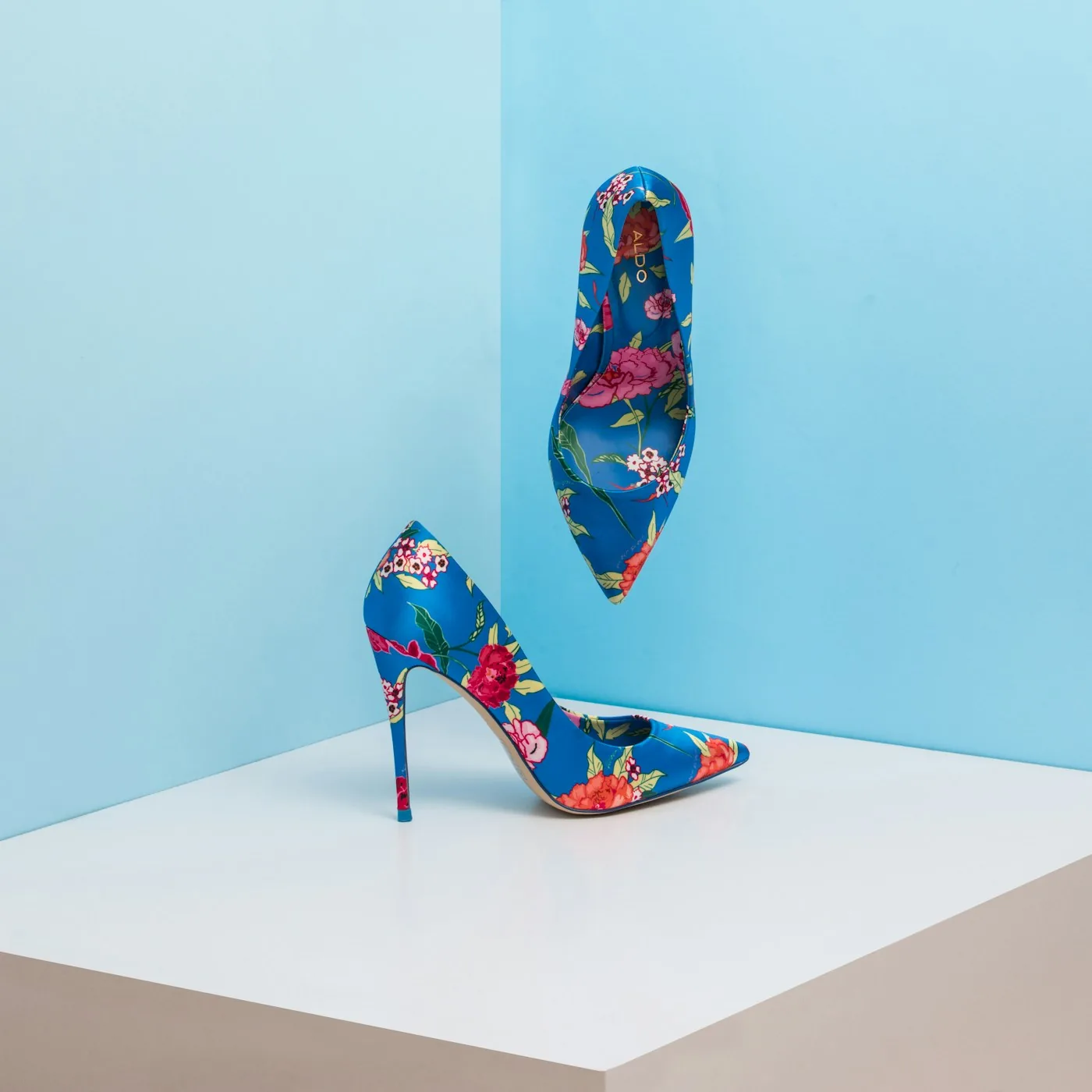
Footwear affects the outfit's proportions and your ability to move through the venue. A narrow heel can be awkward on soft ground; a secure flat or broader heel may be easier depending on the surface. Check the actual route and prioritize a fit that holds your foot comfortably. A shoe described as an occasion style is not automatically suitable for several hours of standing or walking.
Wear the planned shoes during the final fitting, especially if alterations are involved. Walk, turn, and use a step where practical. New shoes should be assessed indoors while return conditions still apply. Do not rely on a painful pair becoming comfortable by the event. If you plan to change footwear later, ensure the outfit's length works safely with both options and that you have a sensible place to carry the spare pair.
Finish with a small, complete kit
Choose a bag that actually holds your phone, keys, travel essentials, and any personal items you need. Test the closure with everything inside. A decorative miniature bag can become inconvenient when the rest of your belongings end up in someone else's pockets. Keep jewelry compatible with the neckline and fabric; rough edges or heavy pieces may catch on delicate material. One considered focal detail can be enough.
Complete the outfit several days ahead so there is time for pressing, repairs, or a different layer. Read the care label before attempting any treatment. After the occasion, record two ways to wear the main piece again: a dress with a simpler cardigan, or tailored trousers with an everyday shirt. A successful purchase serves the invitation and fits into your life afterward, without requiring an entirely new set of accessories for every appearance.